sábado, 3 de março de 2018

Dalí’s surrealist jewels


No Dia Internacional da Mulher recordam-se figuras femininas de garra, que lutaram para garantir melhores condições de vida e trabalho para as mulheres, e também o direito de voto. O papel da mulher em muito se alterou desde 1909, ano em que se iniciaram as celebrações do Dia Internacional da Mulher. Hoje podemos desfrutar de uma vida profissional e independente, direito de expressão e de voto, contudo a luta continua a níveis e aspetos distintos, variando de cultura para cultura. Para além da valorização social, cabe também a cada mulher valorizar-se a si própria e mimar-se de vez em quando. Por exemplo, ir às compras, ler um romance, sair com as amigas ou comprar uma jóia. Como Marilyn Monroe dizia “Diamonds are a girl's best friend”, podes procurá-los na Tiffany's, na Cartier, ou noutra joalharia qualquer. A proposta de hoje é mais exclusiva, são joias desenhadas por Salvador Dalí. Pessoalmente não ligo muito a jóias, mas confesso que fiquei maravilhada com estas. Pudera, são verdadeiras obras de arte! Deixo ficar assim um miminho para todas as mulheres.

On the International Women's Day we remind of powerful women, who have fought to ensure better living and working conditions for women, as well as the right to vote. The role of women has changed a lot since 1909, the year in which the celebrations of International Women's Day began. Today, we can enjoy a professional and independent life, right to express and vote, but the struggle continues at different levels and aspects, varying from culture to culture. In addition to social valorisation, it’s up to each woman to value herself and pamper herself. For example, go shopping, read a novel, hang out with friends or buy a jewel. As Marilyn Monroe said "Diamonds are a girl's best friend", you can look for them at Tiffany's, Cartier, or any other jewellery. Today's proposal is more exclusive, they are jewels designed by Salvador Dalí. Personally, I don’t care much about jewels, but I confess that I was amazed by these ones. They are true works of art! I leave you with this little treat.


Dalí jewels (photo by Littlelle)
A Fundação Gala-Salvador Dalí apresenta uma exposição permanente de jóias, desenhadas por Dalí, num edifício anexo ao Teatro-Museu Dalí em Figueres, na Catalunha. A entrada para esta exposição é realizada com o mesmo bilhete do Teatro-Museu Dalí.

The Gala-Salvador Dalí Foundation presents a permanent exhibition of jewels designed by Dalí in a building next to the Dalí Theater-Museum in Figueres, Catalonia. The entrance to this exhibition is held with the same ticket of the Dalí Theater-Museum.
Dalí Theatre-Museum (photo by Littlelle)
A coleção Dalí Joies apresenta 39 jóias de ouro e pedras preciosas distribuídas por dois pisos. Junto a cada conjunto de jóias é apresentado o esboço que Dalí realizou para desenhar as jóias, concretamente entre 1941 e 1970. O argentino Carlos Alemany concretizou as peças em Nova Iorque, com supervisão de Dalí e financiamento de um multimilionário americano. Depois disso foram compradas por várias entidades e fundações, passando desde a Arábia Saudita ao Japão, até serem adquiridas pela Fundação Dalí.

The Dalí Joies collection features 39 gold and precious gems jewels spread over two floors. Next to each set of jewels is presented the Dalí’s sketch of the jewels, designed between 1941 and 1970. The Argentine Carlos Alemany materialized the pieces in New York, with supervision of Dalí himself and funded by an American multimillionaire. After that, they were bought by many entities and foundations, from Saudi Arabia to Japan, until they were acquired by the Dalí Foundation.


Sudy of jewels (1949): "Leaf Veined Case", "Unicorn", "Lobster Bracelet" and "Mobile"
Study for the Jewels (1949):
 "The Eye of Time", "The Pomegranate Heart", The Honeycomb Heart" and "The Tree of Life Necklace"
The Pomegranate Heart (1949)
The Honeycomb Heart (1949)
The Tree of Life Necklace (1949)
Study for Choreographic Necklace (1964)
Necklace with Entwined Limbs (Choreographic Necklace) (1964)
Study for "The Swan Lake" (1959)
 The Swan Lake (1959)
 Cada peça é única. Para além do próprio design, Dalí selecionou os materiais para a composição de cada peça de acordo com a sua conotação e significado simbólico. A combinação e disposição das pedras preciosas dá forma aos desenhos surrealistas habituais de Dalí como lábios, olhos, formas antropomórficas e zoomórficas, símbolos religiosos e mitológicos. Algumas joias são consideradas tão icónicas como as suas pinturas, como é o caso de as L'ull del temps (1949, The Eye of Time), El cor reial(1953, The Royal Heart) and L'elefant de l'espai (1961, The Elephant of Space).

Each piece is unique. Besides the design, Dalí selected the materials for the composition of each piece according to their connotation and symbolic meaning. The combination and arrangement of precious stones gives form to Dalí's usual surrealistic drawings such as lips, eyes, anthropomorphic and zoomorphic forms, religious and mythological symbols. Some jewels are considered as iconic as his paintings, as is the case of The Eye of Time (1949), The Royal Heart (1953) and The Elephant of Space (1961).


Chalice of Life
Chalice of Life (1965) made of gold and precious stones

Study for the jewels (1941):
"Telephone Ear Clips", "Gold Chain Bracelet", "Rubi Lips", "Leaf Veined Handps" and "Bell Ballerina"
Leaf Veined Handps (1941)

The Eye of Time (1949)
Study for The Royal Heart (1953)
The Royal Heart (1953)
The Elephant of Space (1961)
“Without an audience, without the presence of spectators, these jewels would not fulfil the function for which they came into being. The viewer, then, is the ultimate artist.” Salvador Dalí (1959)

sábado, 24 de fevereiro de 2018

On the Van Gogh route


Eu sonho a minha pintura, então eu pinto o meu sonho” Van Gogh


I dream of painting and then I paint my dream” Van Gogh


Em qualquer museu de arte moderna conceituado pelo mundo fora, vais possivelmente encontrar uma obra de Van Gogh, artista pós-impressionista que apenas foi reconhecido e valorizado após a sua morte. A sua vida não foi fácil, terminando de forma trágica. A sua forma de expressão através da arte foi e continua a ser inspiradora para muitos. O filme biográfico "Loving Vincent" (2017), animação inteiramente pintada à mão através de 65.000 pinturas a óleo segundo a técnica de Van Gogh, concebidos por uma equipa de 115 artistas, retrata isso mesmo. A vida e morte do artista, considerado um génio por uns e louco por outros. Não sei se existe uma linha ténue entre ambos. Penso que um conceito ou outro estará fora da dita curva de normalidade, contudo não terão obrigatoriamente de ser considerados pólos opostos! O que seria de um artista sem emoções?

In any world-renowned museum of modern art, you will probably find a work by Van Gogh, a post-impressionist artist who was only recognized and valued after his death. His life wasn’t easy at all, ending tragically. His form of expression through art was and continues to be inspiring to many people. The biographical film "Loving Vincent" (2017), an entirely hand-painted animation of 65,000 Van Gogh-inspired oil paintings, designed by a team of 115 artists, portrays this. The life and death of the artist, considered a genius by some and crazy by others. I don’t know if there is a line between them. I think that one concept or another will be outside of the curve of normality, however, they will not necessarily have to be considered opposite poles! What would an artist be without emotions?
Van Gogh paintings exhibit at MET in New York (photo by Littlelle)
Van Gogh Alive in Lisbon (photo by Littlelle)
Van Gogh Alive in Lisbon (photo by Littlelle)
Van Gogh nasceu na Holanda, no seio de uma família da classe média alta, tendo tido um educação rígida. Durante a infância aparentava ser uma criança triste. Em adulto tentou vários empregos na área da teologia, professor e negociador de obras de arte, entre outras, contudo nenhum obteve sucesso. Apesar de não ter bases técnicas e estando consciente dessa sua “limitação” começou a pintar apenas aos 27 anos, tendo o apoio do seu irmão mais novo Theo, que financiava o seu trabalho. Viveu em Londres, Bruxelas, Antuérpia, Haia e Paris, morada obrigatória para qualquer artista do século XIX. Em Paris conviveu com vários pintores impressionistas, inspirando-se na luz e cor dessa corrente. Gostava também de arte japonesa, chegando a estudar filosofia oriental para aprimorar a sua arte. Tinha o sonho de viajar para o Japão, mas Toulouse-Lautrec dissuadiu-o, ao equiparar a luz de Arles com a do Japão, o que fez com que Van Gogh se mudasse para o sul de França. Foi aí que sucedeu o fatídico episódio de cortar a sua própria orelha e entregar a mesma a uma prostituta após uma discussão com Gauguin. Em consequência deste ato, Vincent foi internado, tendo passado por vários períodos de internamento em Arles e Saint-Rémy-de-Provence. Em Auvers-sur-Oise continuou o tratamento com o Dr. Gachet, médico com gosto pela arte descrito por Van Gogh como "mais doente do que eu, ou vamos dizer tanto quanto".

Van Gogh was born in the Netherlands, in a middle-class family and had a strict education. During childhood he appeared to be a sad child. As an adult he tried many jobs as a theologist, teacher and art negotiator, among others, but none succeeded. Although he had no technical basis and even being aware of his "limitation" he began to paint only at the age of 27, having the support of his younger brother Theo, who financed his work. He lived in London, Brussels, Antwerp, The Hague and Paris, an obligatory address for any artist of the 19th century. In Paris he lived with several Impressionist painters, earning inspiration in the light and color of this movement. He also liked Japanese art, even studying oriental philosophy to improve his art. He had the dream of traveling to Japan, but Toulouse-Lautrec dissuaded him by comparin the light of Arles with the one of Japan, which made Van Gogh move to the south of France. It was there that happened the fateful episode of cutting off his own ear and handing it to a prostitute after an argument with Gauguin. As a result, Vincent was hospitalized, having undergone by several periods of internment in Arles and Saint-Rémy-de-Provence. In Auvers-sur-Oise continued treatment with Dr. Gachet, a doctor with a taste for art described by Van Gogh as "sicker than I am, I think, or shall we say just as much".


Almond blossom (1890, Saint Rémy-de-Provence) at the Van Gogh Museum (photo by Littlelle)
Van Gogh and Theo graves in Auvers-sur-Oise (photo by João Pedro Marques, editeb by Littlelle)
A sua passagem pelos Países Baixos, Bélgica e França contribuiu para o desenvolvimento do seu estilo único, caracterizado por uma palete de tons fortes e vibrantes que fazem um uso expressivo e emotivo do brilho e da cor em traços curvilíneos, ficando conhecido pela pinturas de flores, paisagens rurais, naturezas mortas, retratos e os seus autorretratos. Para Van Gogh a pintura e a escrita eram uma terapia que o ajudavam a tentar encontrar o equilíbrio emocional.

His passage through the Netherlands, Belgium and France contributed to the development of its unique style, characterized by a palette of strong and vibrant tones that make expressive and emotive use of brightness and color in curvilinear traits, becoming known for the paintings of flowers, rural landscapes, still lifes, portraits and his self-portraits. For Van Gogh, painting and writing were a therapy that helped him try to find emotional balance.


Roses (1890, Saint Rémy-de-Provence) at MET in New York (photo by Littlelle)
"in the last few days at St-Rémy I worked in a frenzy. Big bouquets of flowers, violet irises, big bouquets of roses"
 Sunflowers (1889, Arles) at the Van Gogh Museum (photo by Littlelle)
'I am hard at it, painting with the enthusiasm of a Marseillais eating bouillabaisse, which won't surprise you when you know that what I'm at is the painting of some sunflowers. If I carry out this idea there will be a dozen panels. So the whole thing will be a symphony in blue and yellow. I am working at it every morning from sunrise on, for the flowers fade so quickly. I am now on the fourth picture of sunflowers. This fourth one is a bunch of 14 flowers ... it gives a singular effect.'

 Wheatfield with a Reaper (1889, Saint Rémy-de-Provence) at the Van Gogh Museum (photo by Littlelle)

Street in Auvers-sur-Oise at Unfinished thoughts left visible exhibition at MET Breuer in New York (photo by Littlelle)
Two Crabs (Arles, 1889) at the National Galley of London (photo by Littlelle) 'I am going to set to work again tomorrow. I shall start by doing one or two still lifes to get used to painting again'.
Portrait of Joseph Roulin (Arles, 1889) at MOMA in New York (photo by Littlelle)
"I want to paint men and women with that something of the eternal which the halo used to symbolize, and which we try to convey by the actual radiance and vibration of our coloring."
Self-Portrait with a Straw Hat (1887, Paris) at MET in New York (photo by Littlelle)
"I purposely bought a good enough mirror to work from myself, for want of a model."
Self-Portrait as a Painter (1888, Paris) at the Van Gogh Museum (photo by Littlelle)
 Self-Portrait with Grey Felt Hat (1887, Paris) at the Van Gogh Museum (photo by Littlelle)
A história de Van Gogh ganha vida através das suas cerca de 900 pinturas e outras 900 cartas dirigidas ao seu irmão Theo. Hoje a sua obra é global, e reside em Amesterdão, onde tem um museu inteiramente a si dedicado, em Londres na National Gallery, em Paris no Museu d' Orsay ou em Nova Iorque no MET e no MOMA. Para grande espanto meu, até em Tokyo me deparei com os seus queridos Girassóis.


Van Gogh's story comes to life through his nearly 900 paintings and 900 letters addressed to his brother Theo. Today his work is global, and he is present in Amsterdam, where he has an entire museum dedicated to him, in London at the National Gallery, in Paris at the Musée d'Orsay, or at New York at MET and MOMA. Much to my astonishment, even in Tokyo I came upon his beloved Sunflowers.
The Bedroom (Arles, 1888) at the Van Gogh Museum (photo by Littlelle)


A Wheatfield, with Cypresses (1889,Saint Rémy-de-Provence) at the National Galley of London (photo by Littlelle)

Chaumes de Cordeville (1890, Auvers-sur-Oise) at Musée d'Orsay in Paris (photo by Littlelle)

Irises (1890, Saint Rémy-de-Provence) at MET in New York (photo by Littlelle)

The Starry Night (1889, Saint Rémy-de-Provence) at MOMA  (photo by Mário Santos)
"This morning I saw the country from my window a long time before sunrise, with nothing but the morning star, which looked very big"
Van Gogh Alive in Lisbon (photo by Littlelle)
Após a experiência sensorial de Van Gogh em Lisboa que conjuga as suas cartas, pinturas e música clássica na representação da sua vida, a sua marca ficou ainda mais viva.

After the sensory experience of Van Gogh in Lisbon that combines his letters, paintings and classical music in the representation of his life, his mark was even more alive.
Van Gogh Alive in Lisbon (photo by Littlelle)
Existe uma iniciativa que realiza uma rota para seguir os passos de Van Gogh pela Europa e reviver o que ele viu, cheirou e sentiu. Os locais e instituições que colaboram com a mesma são:

There’s an initiative that makes a route to follow the footsteps of Van Gogh by Europe and relive what he saw, smelled and felt. The sites and institutions that collaborate with it are:

Van Gogh Museum, Kröller-Müller Museum, Van Gogh Brabant, VisitVeluwe, NBTC Holland Marketing, VisitBrabant, Municipality of Ede, Van Gogh Village Nuenen, Vincent van Gogh Information Centre in Etten-Leur, Het Noordbrabants Museum in Den Bosch, Vincent van GoghHuis in Zundert, Van Gogh Church, Vincentre, Vincent’s Art Room in Tilburg, Institut Van Gogh, Mons2015, Visit Paris Region, Fondation Vincent van Gogh Arles, Estrine Museum, Cloître Saint-Paul, Ville de Saint-Rémy, Valetudo Vincent van Gogh, Saint Rémy de Provence Tourist Information, Commune of Colfontaine, Mons Tourism Office, Comité Régional du Tourisme Paris Ile-de-France, Saint-Paul Hospital in Mausole.

Podes encontrar mais informações em http://www.routevangogheurope.eu/
Seria uma excelente viagem 😊

You can find more information on: http://www.routevangogheurope.eu/
It would be an excellent trip 😊
Ready to follow Van Gogh (photo by ICCB team)

sexta-feira, 16 de fevereiro de 2018

Chinatowns scattered around the world


Enquanto o resto do planeta está ainda a curar a ressaca da passagem de ano, a China está a preparar-se para entrar no novo ano chinês, o ano do Cão. Se tens curiosidade em conhecer a cultura do povo chinês de perto e entrar no espírito de celebração desta festa, também conhecida como o festival da primavera, e contudo uma visita à China está fora dos teus planos, podes optar antes por ir a uma das Chinatowns, bairros chineses espalhados pelo mundo. Estes são bairros cujos residentes são quase exclusivamente imigrantes chineses, onde existem lojas, restaurantes, mercados, templos e decoração tipicamente asiática. Aqui fica uma lista de algumas Chinatowns espalhadas pelo mundo para poderes dar as boas vindas ao do Ano do Cão.

While the rest of the planet is still healing the hangover of the New Year eve, China is preparing to enter into the Chinese New Year, the year of the Dog. If you are curious about getting to know Chinese culture and entering in the spirit of celebration of this festival, also known as the spring festival, and China is out of your plans, you can choose to go to one of the Chinatowns, Chinese neighborhoods around the world. These are neighborhoods whose residents are almost exclusively Chinese immigrants, where there are shops, restaurants, markets, temples and typically Asian decor. Here is a list of some Chinatowns scattered around the world to welcome the Year of the Dog.


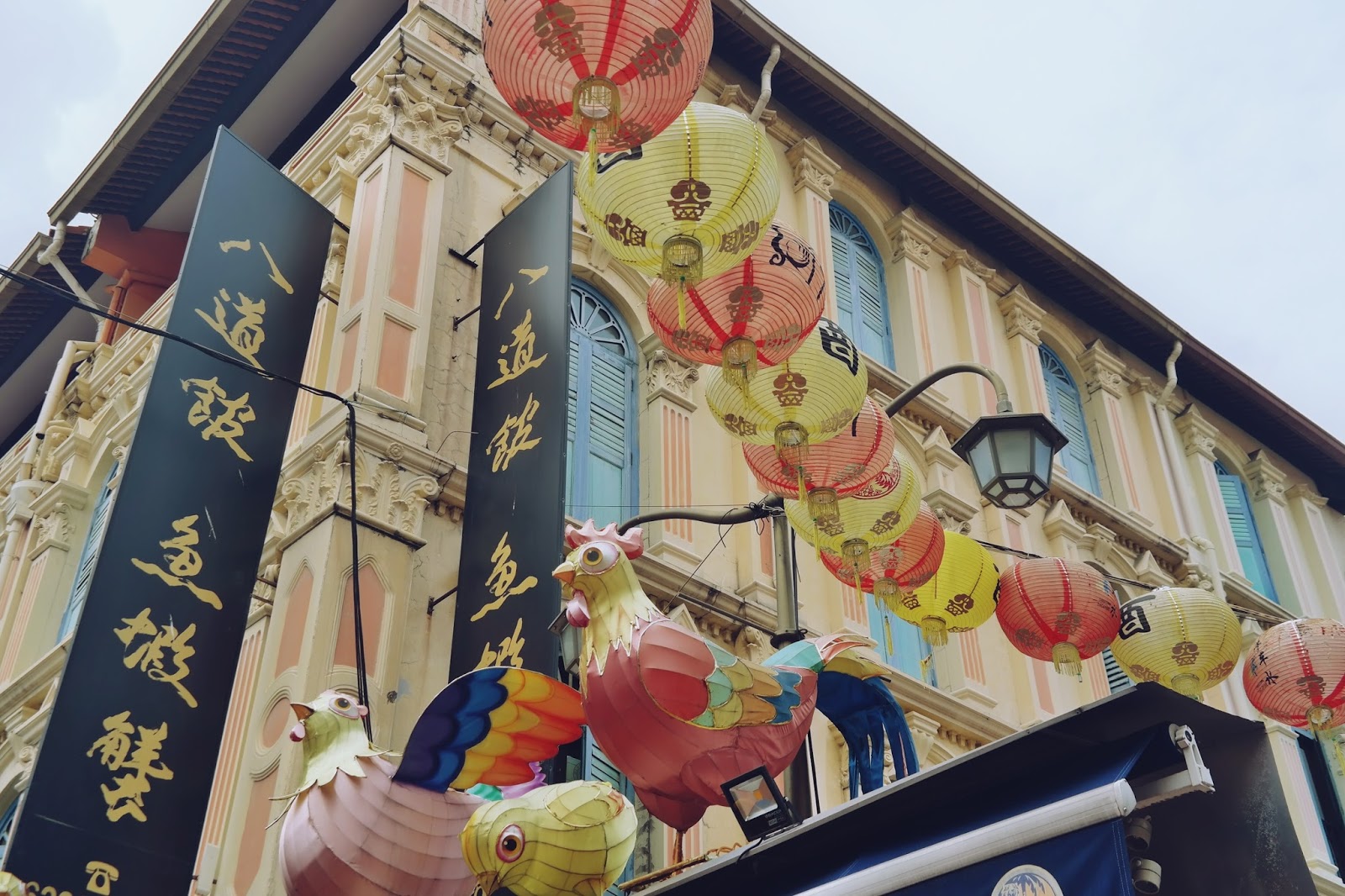
Chinese paper lantern (photo by Littlelle)
Chinese street market in Singapore (photo by Littlelle)

London

A Chinatown de Londres é uma das mais famosas, animadas e visitadas de todo o mundo. Pelo que li, as celebrações do Ano Novo Chinês de Londres são as maiores fora da Ásia. Situada entre o reboliço de Leicester Square e os teatros da Shaftesbury Avenue, é um sítio de passagem quase obrigatório para quem frequenta os bares de Soho. Ao passares vês as montras dos restaurantes a exibirem filas sucessivas de pato assado crepitante, entre este e outros “petiscos”, a Chinatown é uma zona onde se consegue fazer refeições baratas, o que não é tarefa fácil em Londres.

London's Chinatown is one of the most famous and visited around the world. According to what I read the Chinese New Year celebrations in London are the largest outside of Asia. Located between the liveliness of Leicester Square and Shaftesbury Avenue theaters, it's a must-go for those who go to Soho's bars. As you watch the restaurants display successive rows of grilled roast duck, between this and other "appetizers", Chinatown is an area where you can have cheap meals, which is not an easy thing to find in London.


Chinatown in London (photo by Littlelle)
Streets of Chinatown in London (photo by Littlelle)
Night movement of Chinatown in London (photo by Littlelle)
Details (photo by Mário Santos, edited by Littlelle)

Singapore

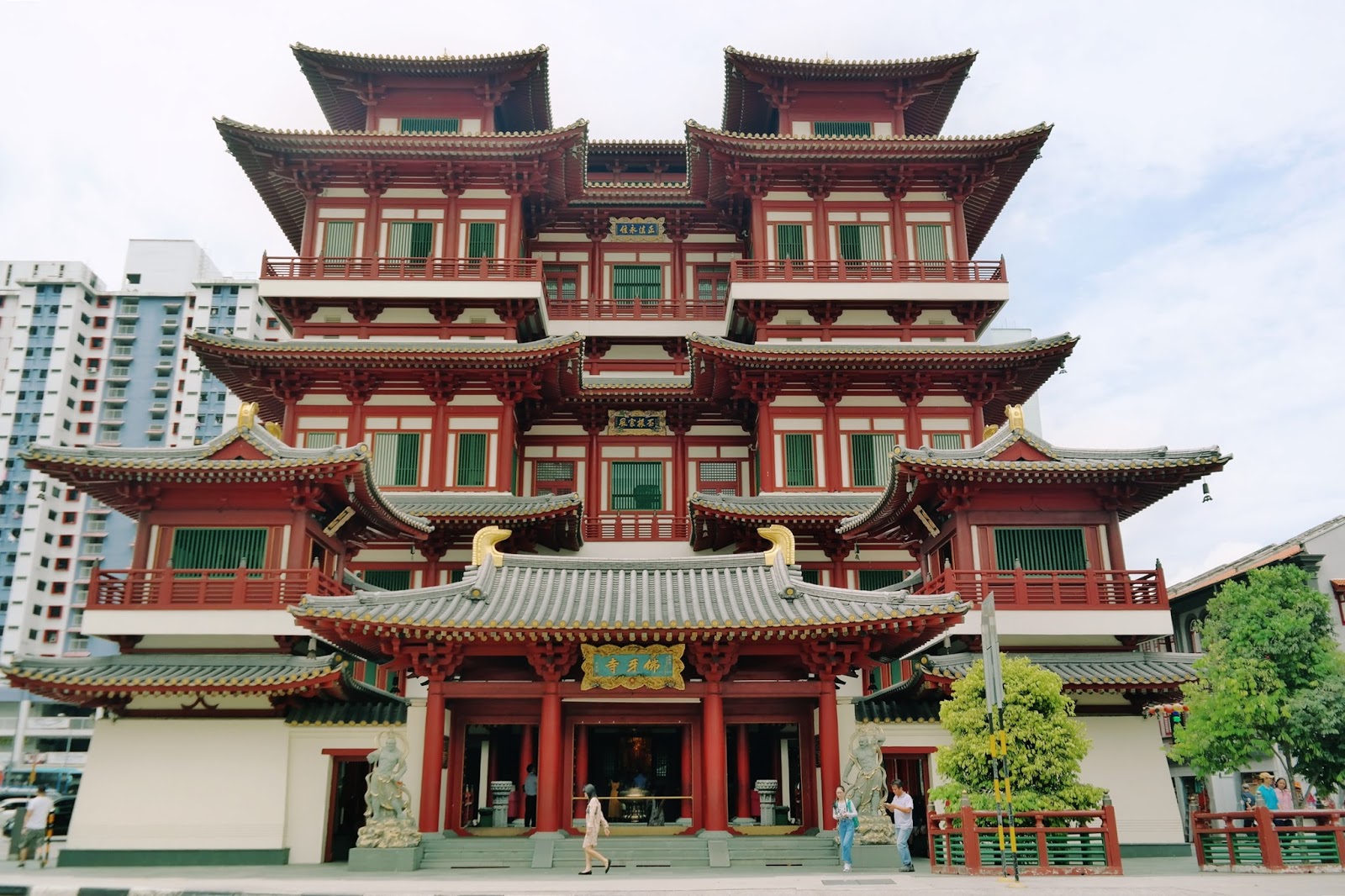
Singapura apresenta uma comunidade de cerca de 2,79 milhões de chineses, sendo o maior grupo étnico desta cidade-estado. A Chinatown, localizada não muito longe do distrito financeiro, é uma das mais bonitas que já conheci. As lojas e restaurantes típicos chineses encontram-se instalados em casinhas de estilo Peranakan. Para além disso, existem vários templos que não são apenas Budistas, como o grandioso Buddha Tooth Relic Temple, mas também o templo Hindu Sri Mariamman Temple e a Mesquita Jamae. Esta mistura espelha a multiculturalidade de Singapura e acima de tudo o respeito entre etnias e religiões.

Singapore has a 2.79 million Chinese community, being the largest ethnic group of this city-state. The Chinatown, located not far from the financial district, is one of the nicest I've ever seen. Typical Chinese shops and restaurants are housed in Peranakan style cottages. In addition, there are several temples, not only Buddhist, such as the grand Buddha Tooth Relic Temple, but also the Hindu temple Sri Mariamman and the Jamae Mosque. This mix mirrors the multiculturalism of Singapore and above all the respect between ethnicities and religions.


Welcome to Chinatown Singapore (photo by Littlelle)
Chinese Peranakan houses in Chinatown (photo by Littlelle)
Cute corners (photo by Littlelle)
Multiculturalism of Singapore (photo by Littlelle)
 Hindu temple Sri Mariamman (photo by Littlelle)
Buddha Tooth Relic Temple (photo by Littlelle)

New York

Na terra do Tio Sam, são cerca de 3,46 milhões de chineses e seus descendentes que fazem parte da sociedade americana, sendo muitas as cidades que possuem bairros inteiramente constituídos por comunidades chinesas.
A Chinatown de Nova Iorque, localizada no sul de Manhattan, ao lado de Little Italy, apresenta a maior comunidade de chineses nos Estados Unidos e do ocidente, sendo uma das mais conhecidas do mundo. Apresenta muitos restaurantes e lojas, alguns templos e um famoso mercado de peixe.

In Uncle Sam's land, there are around 3.46 million of Chinese people and their descendants who are part of American society, with many cities having neighborhoods entirely made up of Chinese communities.
New York's Chinatown, located in the south of Manhattan, next to Little Italy, has the largest Chinese community in the United States and the West World, being one of the best-known in the world. It features many restaurants and shops, some temples and a famous fish market.


Welcome to New York Chinatown (photo by Mário Santos, edited by Littlelle)
Chinatown in New York (photo by Mário Santos, edited by Littlelle)
Chinese looking building (photo by Mário Santos, edited by Littlelle)
Chinese Fish Market (photo by Mário Santos, edited by Littlelle)
Dragon fruit at the local market (photo by Littlelle)

Kuala Lumpur

A imigração de chineses para Malásia, data dos tempos da Dinastia Ming, já há muitos anos atrás, apresentando 6,39 milhões de imigrantes.
A Chinatown de Kuala Lumpur fica em pleno coração da cidade na Petaling Street. É uma excelente zona para fazer compras, as ruas estão repletas de lojas e mercados. Por exemplo, no Central Market encontra-se vários artigos de artesanato local. Existem os habituais templos chineses, mas tal como em Singapura encontram-se outros credos, neste caso um templo Hindu Sri Mahamariamman.

Immigration of Chinese to Malaysia dates back to the times of the Ming Dynasty, many years ago, with 6.39 million immigrants.
Kuala Lumpur's Chinatown is in the heart of the city at Petaling Street. It's a great area for shopping, the streets are full of shops and markets. For example, in the Central Market you will find several local handicraft items. There are the usual Chinese temples, but as in Singapore there are other creeds, in this case the Hindu Sri Mahamariamman temple.


KL Chinatown (photo by Littlelle)
Streets closed to the Central Market (photo by Littlelle)
Petaling Street (photo by Littlelle)
Rambutan at a local market (photo by Littlelle)

Havana

Localizada a poucos metros do imponente Capitólio, a Chinatown ou Barrio Chino, como é conhecido por aquelas bandas, é uma das mais antigas comunidades do Novo Continente, atingindo o seu auge nos anos 20, enquanto maior comunidade de chineses da América Latina. Atualmente é um bairro chinês, sem chineses, pois após a Revolução Cubana, verificou-se a saída em massa de chineses para os Estados Unidos. Em Cuba, hoje resta apenas a enorme porta asiática na entrada da Calle Dragones e poucos restaurantes na Calle Cuchillo.

Located a few meters from the grand Capitol, Chinatown or Barrio Chino, as it's known by those bands, is one of the oldest communities in the New Continent, reaching its peak in the 1920s as the largest Chinese community in Latin America. Today, it’s a Chinese neighborhood, with no Chinese people, because after the Cuban Revolution there was a mass exit of Chinese to the United States. Nowadays, in Cuba there's only the huge Asian door at the entrance of Calle Dragones and few restaurants at Calle Cuchillo.
Havana (photo by Littlelle)
Asian door at Calle Dragones (photo by Littlelle)
Barrio Chino (photo by Mário Santos, edited by Littlelle)
Chinese restaurants at Barrio Chino (photo by Mário Santos)
Chinatown without chineses (photo by Mário Santos)
China in a Cuban way (photo by Littlelle)
Feliz Ano do Cão, especialmente para aqueles que nasceram em ano de Cão: 1946, 1958, 1970, 1982, 1994, 2006 e 2018!

Happy Dog Year, specially for those who was born in a Dog Year: 1946, 1958, 1970, 1982, 1994, 2006, and 2018 are Dog Years!