domingo, 4 de fevereiro de 2018

Budapest, which side do you prefer?


Até 1873 existiam duas cidades diferentes: na margem ocidental do Danúbio, Buda era o núcleo real da Hungria, e do lado oposto na margem oriental, Peste era reconhecida como a capital comercial.

Hoje a cidade está unificada, porém mantém estas duas “personalidades” distintas: Buda enquanto o encantador bairro do Castelo, e Peste que cruza a elegância imperial com uma arquitetura majestosa cujos edifícios apresentam fachadas estilo Secessão, uma variante da Arte Nouveau. A dividir as partes encontram-se várias pontes que cruzam o Danúbio. Vale a pena atravessar a Ponte das Correntes, a mais antiga ponte da cidade, e admirar a bonita paisagem ao redor. A área em torno do Danúbio e suas pontes é encantadora de manhã à noite!

Until 1873 there were two different cities: on the west bank of the Danube, Buda was the real nucleus of Hungary, and on the opposite side on the eastern bank, Pest was recognized as the commercial capital.

Today the city is unified, yet maintaining these two distinct "personalities": Buda as the charming Castle neighbourhood, and Pest that matches the imperial elegance with a majestic architecture whose buildings with Secession style facades, a variant of Art Nouveau. Dividing the parts are several bridges that cross the Danube. It's really worth to cross the Chain Bridge, the oldest bridge in the city, and admire the beautiful landscape around you. The area around the Danube and its bridges is lovely from morning to night! 
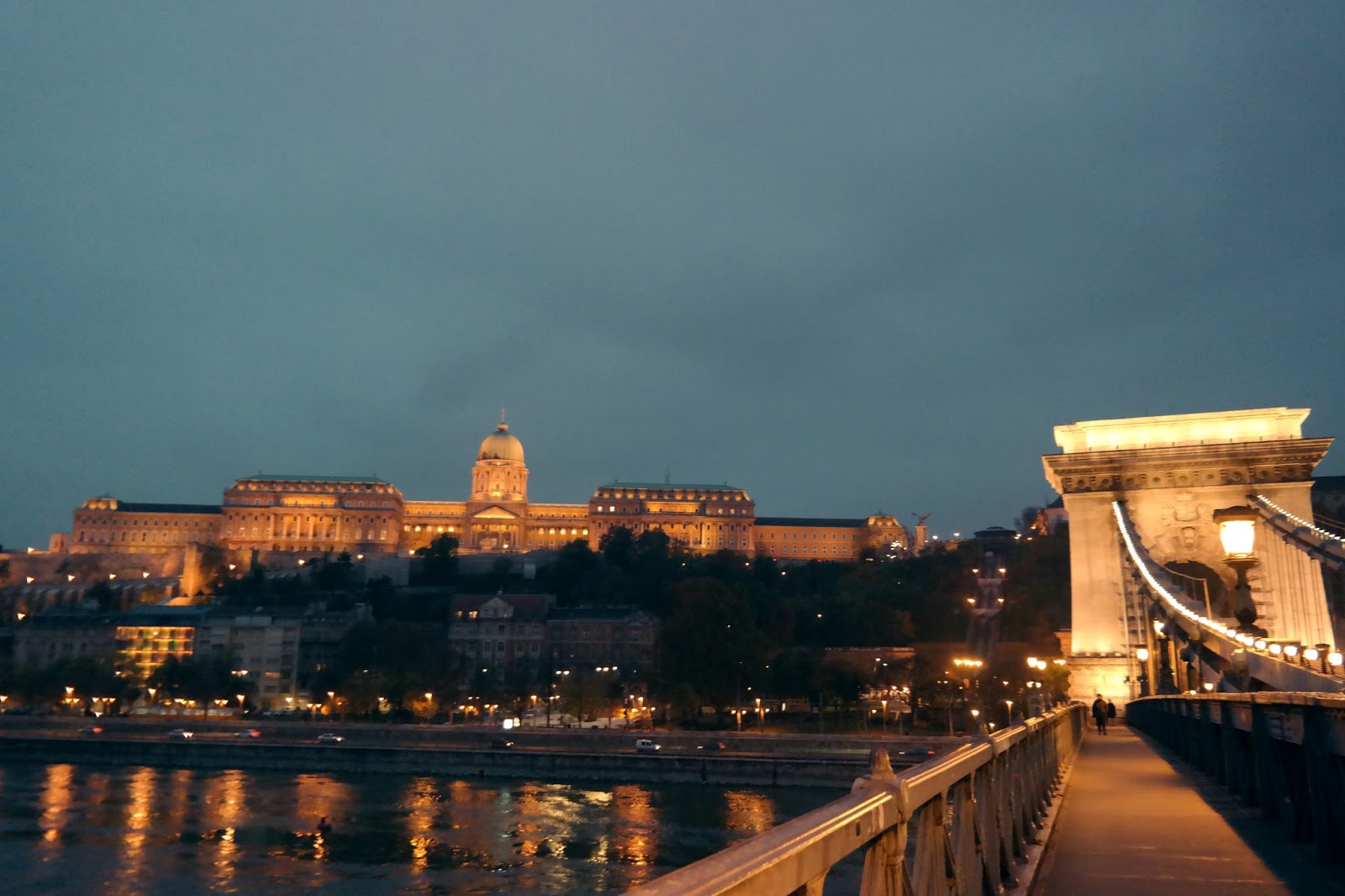
Buda side (photo by Littlelle)
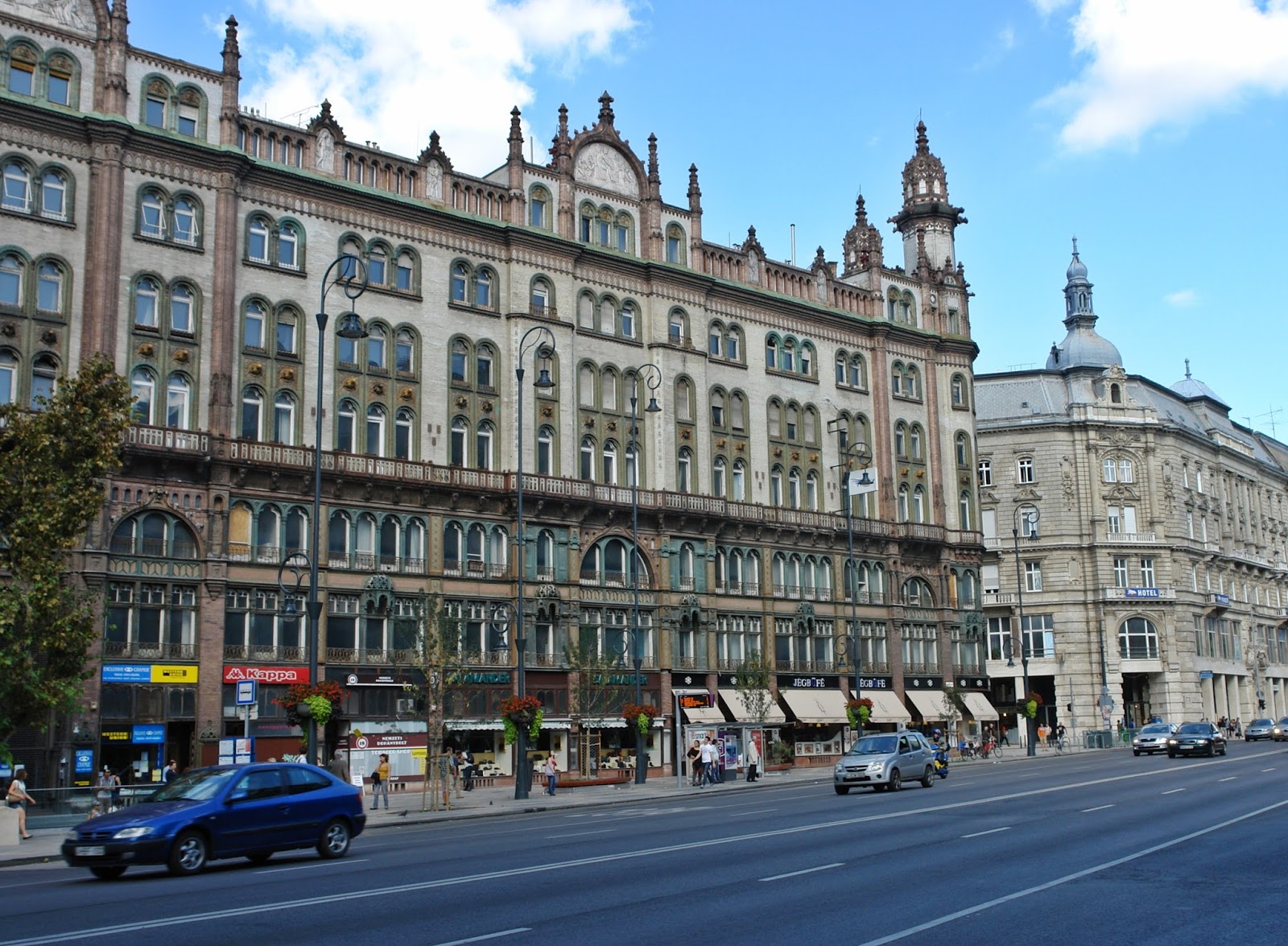
Peste side (photo by Mário Santos, edited by Littlelle)
Szabadság híd the Liberty Bridge (photo by Mário Santos, edited by Littlelle)
Crossing the Széchenyi Chain Bridge (photo by Littlelle)
Budapest side by side with the Danube (photo by Litlelle)
O território hoje pertencente à Hungria foi ocupado ao longo dos tempos por vários povos desde os Celtas, Romanos, Magiares, Turcos, Austríacos, entre outros. A coligação à Alemanha de Hitler e à União Soviética deixaram marcas na cultura do país. A Hungria foi bastante afetada pela I e II Guerra Mundial, foram cerca de 600 000 judeus húngaros mortos até 1944, um terço do número de pessoas que morreu em Auschwitz, existindo vários marcos deste episódio negro da história na cidade.

Hoje Budapeste é a sexta maior cidade da União Europeia, fruto da sua história, apresenta uma coleção de monumentos, museus e edifícios interessantes para conhecer e explorar.

The territory that nowadays belongs to Hungary was occupied over time by several peoples from the Celts, Romans, Magyars, Turks, to Austrians, among others. The coalition to Hitler's Germany and to the Soviet Union left marks in the country’s culture. Hungary was heavily affected by World War I and II, 600,000 Hungarian Jews were killed until 1944, one third of the number of people who died in Auschwitz, and there are several landmarks of this dark episode of history in the city.

Today Budapest is the sixth largest city in the European Union, due to its history, presents a collection of interesting monuments, museums and buildings to see and explore.

Vigadó Concert Hall (photo by Mário Santos, edited by Littlelle)
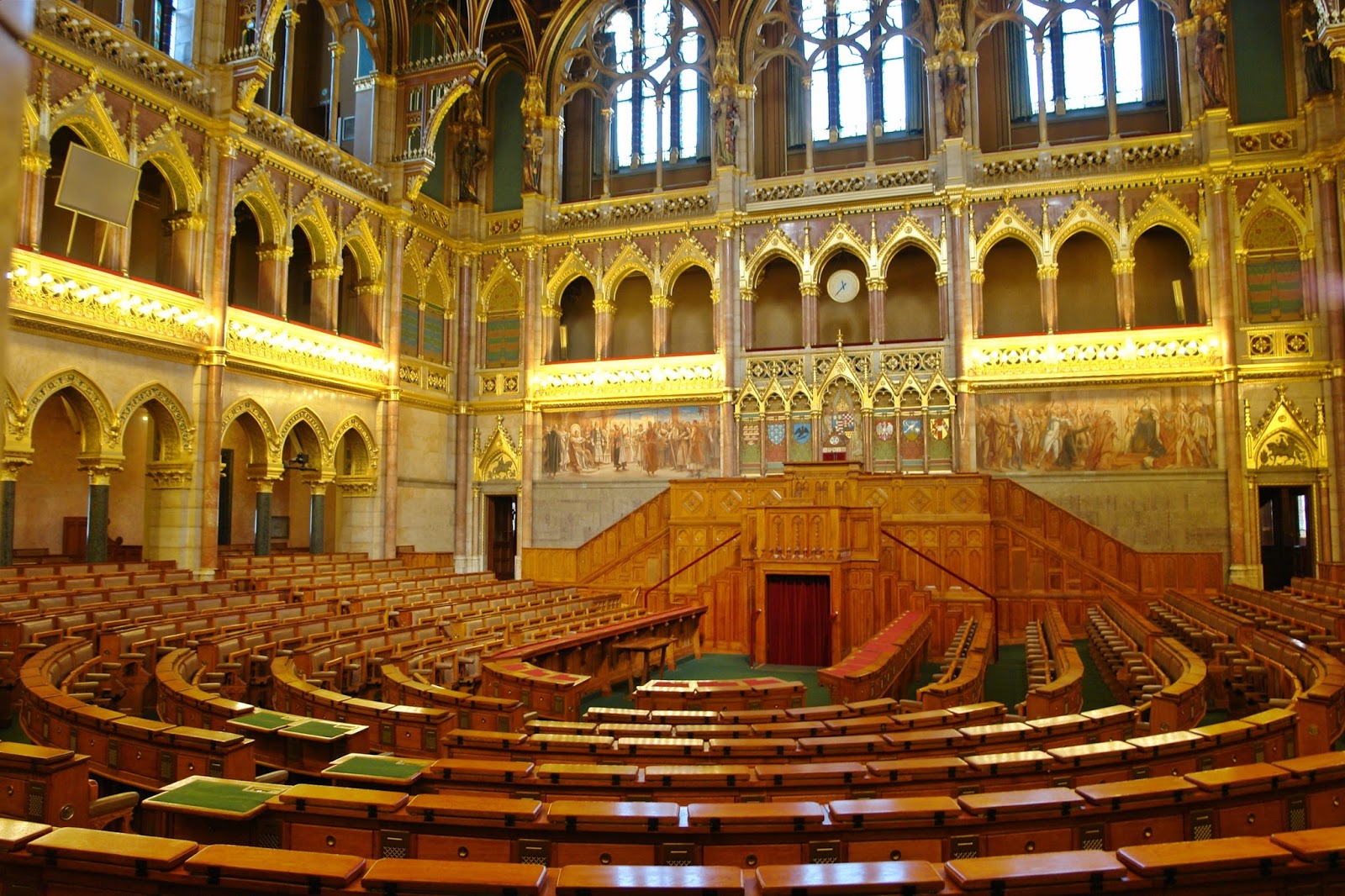
The Parliament building (photo by Mário Santos, edited by Littlelle)
Szepmuveszeti Museum (photo by Mário Santos, edited by Littlelle)
Hungarian Academy of Sciences (photo by Mário Santos, edited by Littlelle)
Uma particularidade de destaque devido à sua geografia é a existência de complexos termais, havendo mais de 1300 nascentes termais no país com propriedades curativas para o reumatismo, artrite e problemas de pele. Tradicionalmente na Hungria as termas são utilizadas para equilibrar o corpo e a mente. Budapeste apresenta uma grande concentração de nascentes termais, sendo por isso um destino turístico privilegiado desde a época romana e turca.


An outstanding feature due to its geography is the existence of thermal complexes - there are more than 1300 thermal springs in the country with healing properties for rheumatism, arthritis and skin problems. Traditionally in Hungary the hot springs are used to balance the body and mind. Budapest has a great concentration of thermal springs, being therefore a privileged tourist destination from the Roman and Turkish times.


Baths at the Hotel Gellért (photo by Mário Santos, edited by Littlelle)
Para além de todo o enquadramento histórico, Budapeste é uma excelente escolha para viajar, sendo uma cidade relativamente barata (a moeda local é o Florim húngaro - HUF). Consegues-te mover bem pelo seu centro histórico a pé, tram ou de metro, o segundo mais antigo do mundo.
Bem, feitas as apresentações vamos conhecer um pouco melhor o que Buda e Peste têm para oferecer aos seus visitantes.

Apart from all the historical background, Budapest is an excellent choice for traveling, being a relatively inexpensive city (the local currency is Hungarian Florim - HUF). You can move well by its historic center on foot, tram or by subway, the second oldest in the world.

Well, after this introduction, let’s know a little better what Buddha and Pest have to offer their visitors.


Great Market Hall Budapest (photo by Mário Santos, edited by Littlelle)
Tram crossing the Liberty Bridge (photo by Mário Santos, edited by Littlelle)

Budapest flavors (photo by Littlelle)

Buda


É a zona mais histórica da cidade. Apesar da destruição causada pela II Guerra Mundial, esta zona hoje encontra-se reconstruida, sendo recomendados 2 dias para a poderes visitar com calma. Podes encontrar diversos museus (ex. Galeria Nacional da Hungria) e ruas pedonais, sendo as principais atrações o Castelo que foi destruído e reconstruido por várias vezes, tendo sofrido várias transformações, a Igreja Matias e o Bastião dos Pescadores, um exuberante monumento construído com toques neorromânticos e neogóticos, a partir de onde se tem uma vista lindíssima sobre o rio e o outro lado da cidade. Após o passeio, o complexo termal do Hotel Gellért, construído no estilo singular da Secessão, poderá ser uma boa opção para relaxar.


It’s the most historic part of the city. Despite the destruction caused by World War II, this area is today rebuilt, being recommended 2 days to visit it. You can find several museums (ex. Hungarian National Gallery) and pedestrian streets, the main attractions are the castle that was destroyed and rebuilt several times, having undergone several transformations, Matias Church and Fishermen's Bastion, a lush monument built with Neo-romantic and Neo-Gothic touches, from where you have a beautiful view of the river and the other side of the city. After the tour, the thermal complex of Hotel Gellért, built in the unique Secession style, can be a good option to relax.
Buda Castle Hill (photo by Mário Santos, edited by Littlelle)
Elevator to the Castle Hill (photo by Mário Santos)
Matthias Church (photo by Mário Santos, edited by Littlelle)
Fishermen's Bastion and Matthias Church (photo by Littlelle)
Fishermen's Bastion (photo by Littlelle)
The view to the Parliament from the Fishermen's Bastion (photo by Littlelle)
Hotel Gellért (photo by Mário Santos, edited by Littlelle)
Art Nouveau detail at Hotel Gellért (photo by Mário Santos, edited by Littlelle)
Gellért Baths (photo by Mário Santos, edited by Littlelle)

Peste


É uma zona mais cosmopolita, sendo também recomendados 2 dias para desfrutar dos cafés, ruas, lojas, termas e museus (ex. Museu de Artes Decorativas, Museu Nacional da Hungria, Museu de Belas Artes). Aqui a cidade expandiu com um toque da Belle Epóque. Os prédios inspirados no movimento da Secessão, emergente na vizinha Áustria, dão um toque modernista à cidade, naquele que ficou conhecido como o Estilo Nacional Húngaro. Este foi um dos aspetos que mais gostei de apreciar na cidade. Podes encontrá-lo em vários edifícios da cidade, com especial destaque no Palácio Gresham, hoje transformado em hotel que faz lembrar o “Grand Budapest Hotel” de Wes Anderson, o Hotel Géllert ou o Instituto de Geologia.


It’s a more cosmopolitan area, it’s also recommended al least 2 days to enjoy cafés, streets, shops, spas and museums (eg Museum of Decorative Arts, Hungarian National Museum, Museum of Fine Arts). Here the city expanded with a touch of La Belle Epoque. The buildings inspired by the Secession movement, which emerged in neighbouring Austria, give a modernist touch to the city in what became known as the Hungarian National Style. This was one of the aspects that I liked to appreciate in the city. You can find it in several buildings, with special emphasis on Gresham Palace, now transformed into a hotel that reminds me of the “Grand Budapest Hotel” of Wes Anderson, the Hotel Géllert or the Institute of Geology.


Boscolo Budapest Hotel (photo by Mário Santos, edited by Littlelle)
Párizsi Udvar (photo by Mário Santos, edited by Littlelle)
Art Nouveau detail (photo by Littlelle)
Gresham Palace (photo by Littlelle)


Inside the Gresham Palace Hotel (photo by Littlelle)
Lift detail of the Gresham Palace (photo by Littlelle)

Main entrance of the Gresham Palace (photo by  Mário Santos, edited by Littlelle)
É também em Peste, mais precisamente na Praça Kossuth Lajos, que encontras o ícone da cidade, o Parlamento Húngaro, o maior edifício do país. A sua fama não é minimamente imprópria, o edifício é mesmo fabuloso. É composto por cerca de 700 salas, contudo estão abertas para visita apenas uma parte, uma vez que a Assembleia Nacional da Hungria se reúne lá. As visitas são guiadas com uma duração de cerca de 50 minutos, custam 5800 HUF. A cerca de uma caminhada de 15 minutos do Parlamento, encontras uma das igrejas mais imponentes da cidade, a Basílica de Santo Estêvão construída em estilo neoclássico. Outro edifício que vale a pena visitar é o Teatro Nacional da Ópera na Avenida Andrássy, que tenta fazer concorrência às mais conhecidas óperas europeias. A visita guiada custa 2990 HUF.


It’s also in Pest, more precisely in the Kossuth Lajos Square, that you can find the icon of the city, the Hungarian Parliament, the largest building in the country. Its fame is not at all improper, the building is really fabulous. It’s composed of about 700 rooms, being open to visit just a part of it, once the Hungarian National Assembly meets there. The tours are guided with a duration of about 50 minutes, cost 5800 HUF. Within a 15-minute walk of the Parliament you will find one of the most imposing churches in the city, the St. Stephen’s Basilica built in neoclassical style. Another building worth visiting is the National Opera House on Andrássy Avenue, which tries to compete with the most famous European operas. The guided tour costs 2990 HUF.


The Parliament (photo by Mário Santos, edited by Littlelle)
Inside the Parliament (photo by Mário Santos, edited by Littlelle)
Looking for St. Stepen's Basilica (photo by Littlelle)
Szent István ter (photo by Littlelle)
St. Stepen's Basilica (photo by Mário Santos, edited by Littlelle)
Budapest Opera House (photo by Mário Santos, edited by Littlelle)
Budapest Opera House (photo by Mário Santos, edited by Littlelle)
A par destes edifícios majestosos que saltam à vista, eu gostei imenso de fazer uma simples caminhada pela Rua Váci, área comercial mais elegante da cidade e a Avenida Andrássy (património Mundial da UNESCO) conhecida como os Champs Elysees de Budapest, que desemboca na Praça dos Heróis. Nas imediações desta famosa praça fica o Castelo de Vajdahunyad e os Banhos Széchenyi. Estes são complexo de piscinas interiores e ao ar livre com as águas mais quentes de Budapeste, o edifício de estilo Neobarroco foi construído 1913. Fui lá numa noite fria de outono, a experiência de sentir o contraste do frio com a água fumegante, olhar em volta e parecer que estás num palácio é indescritível, parece que voltaste aos tempos imperiais. Recomendo vivamente a experiência!


Alongside these majestic buildings, I really enjoyed walking along Váci Street, the city's most elegant shopping area, and the Andrássy Avenue (a UNESCO World Heritage site) known as Budapest's Champs Elysees, which leads to the Heroes' Square. In the immediate surroundings of this famous square, are the Vajdahunyad Castle and the Széchenyi Baths. These are indoor and outdoor pools complex with the hottest waters of Budapest, the Neo-baroque style building was built in 1913. I went there on a cold autumn night, experiencing the contrast of the cold with the steaming water, looking around and it seems that you are in a palace, it seems that you have returned to the imperial times. I highly recommend the experience!

Drechsler Palace (photo by Littlelle)
Building at Andrassy St. (photo by Littlelle)

Decorated facade of a theatre off Andrássy út (photo by Littlelle)
Heroes Square (photo by Littlelle)

Szepmuveszeti Museum (photo by Littlelle)
Vajdahunyad Castle (photo by Littlelle)
Széchenyi Baths (photo by Mário Santos, edited by Littlelle)
Inside the Széchenyi Baths (photo by Littlelle)
Széchenyi Baths (photo by Littlelle)
No outro extremo de Peste podes encontrar o Bairro Judeu e a sua Grande Sinagoga a maior da Europa. Junto à mesma encontra-se um memorial ao Holocausto. Perto do Parlamento, junto ao rio Danúbio, na Zoltán ulica, existe também o memorial “Shoes on the Danube” composto por cerca de 60 pares de sapatos em ferro da autoria do escultor Gyula Pauyer, que representam o fuzilamento de judeus no rio.


At the other side of Pest, you can find the Jewish Quarter and its Great Synagogue, the largest in Europe. There’s a memorial to the Holocaust next to it. Near the Parliament, on the Danube river in Zoltán ulica, there’s also the memorial "Shoes on the Danube" consisting of 60 pairs of iron shoes by the sculptor Gyula Pauyer, which represent the firing on Jews in the river.


The Great Synagogue and the Holocaust Memorial in Dohány Street (photo by Littlelle)
Jewish cemetery at Great Synagogue (photo by Littlelle)
Shoes on The Danube Memorial (photo by Littlelle)
Estive apenas 3 dias em Budapeste, numa semana de viagem em que conheci também Viena e Bratislava, cidades relativamente próximas. Foi um 3 em 1, que semeou a vontade de conhecer melhor esta cidade que me surpreendeu especialmente pela arquitetura. Gostava de regressar com mais tempo para explorar melhor as suas ruas e visitar museus, pois devido à limitação de tempo não tive oportunidade de entrar em nenhum. Por estas bandas, há quem faça também um passeio de barco pelo Danúbio, o que poderá ser uma opção caso ainda sobre tempo.

I was only 3 days in Budapest, a week of travel in which I also went to Vienna and Bratislava, relatively close cities. It was a 3 in 1 that deepened the desire to know better this city that has surprised me especially by the architecture. I would like to return with more time to explore its streets better and to visit museums, because due to the limitation of time I didn’t have the opportunity to visit anything. If there is still time left, there are also boat trips on the Danube, which can be an option.
Gresham Palace by night (photo by Littlelle)
Castle Hill by night (photo by Littlelle)
Boat trip (photo by Mário Santos, edited by Littlelle)
Agora já deves conseguir responder à questão: Qual dos lados mais te atrai?
Now you must be able to answer the question: Which side of the city most attracts you?
Love Budapest (photo by Littlelle)

domingo, 28 de janeiro de 2018

Innsbruck, a colorful winter destination


Cidade pitoresca rodeada pelos Alpes, cujo cartão de visita apresenta as casinhas coloridas nas margens do Rio Inn, rio esse que dá o nome à cidade. Esta cidade é um ótimo destino de Inverno, disponibilizando ao seu redor várias atividades lúdico-desportivas na neve e na montanha. Para quem preferir um passeio mais cultural, como é o meu caso, esta cidade austríaca típica do Tirol é bastante agradável, com igrejas, museus e ruas pitorescas.

Picturesque town surrounded by the Alps, whose presentation card presents the colourful houses on the banks of the Inn River, the river that gives the name to the city. This city is a great winter destination, providing many fun and sports activities in the snow and the mountains. For those who prefer a more cultural tour, like me, this typical Austrian city of Tyrol is quite pleasant with churches, museums and picturesque streets.
Innsbruck streets (photo by Mário Santos, edited by Littlelle)
Street detail (photo by Littlelle)
The Spitalkirche (Hospital Church) (photo by Littlelle)
Cathedral of St. James (photo by Mário Santos, edited by Littlelle)
Landestheater (photo by Mário Santos, edited by Littlelle)
River Inn (photo by Littlelle)
O centro histórico da cidade reflete 800 anos de história, encontrando-se entre as principais atrações, o Telhado de Ouro, uma varanda com um telhado em ouro, construída para assinalar o casamento do Imperador Maximilian, localizada na Herzog-Friedrich-Straße, cujas fachadas góticas remetem-te para a Idade Média. Nessa mesma praça encontra-se a Helblinghaus, uma bonita casa cujo design salta à vista devido à mistura de estilos. Ali perto fica também o Palácio Imperial, construído no ano de 1500 pelo mesmo imperador. A Maria-Theresien-Straße é uma das ruas principais no coração da cidade, composta por edifícios coloridos de arquitetura Barroca, onde se situam inúmeros cafés, lojas, igrejas e monumentos, como a Coluna de St.ª Ana e o Arco do Triunfo.

The city historic center reflects 800 years of history, among the main attractions, the Golden Roof, a balcony which has literally a golden roof, was built to mark the wedding of the Emperor Maximilian, located in Herzog-Friedrich-Straße, whose Gothic façades take you to the Middle Ages. Located in this same square is the Helblinghaus, a beautiful house whose design gets your attention due to the mixture of styles. Nearby is also the Imperial Palace, built in the year 1500 by the same emperor. The Maria-Theresien-Straße is one of the main streets in the heart of the city, made up of colourful buildings of Baroque architecture, where there are numerous cafes, shops, churches and monuments, such as the St. Anne's Column, the Chapel of St. George in the Federal State Parliament building and the Triumphal Arch.


Golden Roof (photo by Mário Santos, edited by Littlelle)
Helblinghaus (photo by Mário Santos, edited by Littlelle)
The Hofburg Imperial Palace (photo by Mário Santos, edited by Littlelle)
Maria Theresien Straße (photo by Littlelle)
St. Anne's Column (photo by Littlelle)
Triumphal Arch (photo by Littlelle)
O centro histórico apresenta várias lojinhas, entre elas a loja/museu Swarovski, localizada na Herzog-Friedrich-Strasse. Esta expõe peças de arte feitas com cristais desta famosa marca austríaca, sendo uma verdadeira atração turística, despertando a curiosidade de quem passa. 

The historic center displays several shops, including the Swarovski Museum/Shop, located on Herzog-Friedrich-Strasse. This exhibits pieces of art made with crystals of this famous Austrian brand, being a true tourist attraction, arousing the curiosity of who passes by.


Herzog Friedrich strasse (photo by Mário Santos, edited by Littlelle)

Swarovski shop (photo by Littlelle)
Swarovski shop (photo by Littlelle)
Jean Paul Gaultier for Swarovski (photo by Littlelle)
Nessa rua podes subir os 133 degraus da Torre da Cidade, situada ao lado da antiga Câmara Municipal. No topo encontras uma vista de 180º sobre a cidade e ao olhar em teu redor, percebes que estás no coração dos Alpes! Vale a pena o esforço!

 In this street you can climb the 133 steps of the City Tower, located next to the old Town Hall. At the top you will find a 180º view of the city and looking around you, you will realize that you are in the heart of the Alps! It's worth the effort!


City tower (photo by Littlelle)
View from the top of the City tower (photo by Littlelle)
Just look around (photo by Littlelle)
View from the top of the City tower (photo by Littlelle)
Panoramic view from the City tower (photo by Littlelle)
Eu passei apenas um dia na cidade, penso que um fim de semana seria interessante para experienciar a cultura local. Desloquei-me até Innsbruck de comboio, a estação fica a uma distância a pé de cerca de 15 minutos do centro da cidade. A viagem de comboio a partir de Munique, durou cerca de 3 horas. Optei pelo comboio mais lento, pois era bastante mais económico, comparativamente ao ICE (significativamente mais caros). Foi dinheiro ganho e não considerei minimamente tempo perdido, pois o comboio cruza os Alpes, passando pela conhecida estância turística de Garmisch-Partenkirchen. Cada minuto da viagem valeu a pena, a paisagem é lindíssima, sendo que durante o Inverno encontras os Alpes pintados de branco!

I spent only one day in this city, I think a weekend would be interesting to experience the local culture. I travelled to Innsbruck by train, the main station is within a walking distance of about 15 minutes from the city center. The train journey from Munich lasted about 3 hours. I opted for the slower train, since it was much cheaper, compared to ICE (significantly more expensive). It was earned money and I didn’t consider it wasted time, because the train crosses the Alps, passing by the well-known tourist resort of Garmisch-Partenkirchen. Every minute of the trip was worth it, the scenery is beautiful, and during the winter you will find the Alps painted in white!


Crossing the Alps (photo by Littlelle)
On the train (photo by Littlelle)
Alps painted in white (photo by Littlelle)
The colors of Innsbruck (photo by Littlelle)

domingo, 21 de janeiro de 2018

Building bridges around the world


Elos de ligação entre povoações, as pontes foram criadas pelo Homem para ultrapassar obstáculos. As primeiras foram construídas com inspiração na mãe Natureza com troncos caídos ou pedras. As primeiras estruturas mais duradouras construídas pelo Homem foram registadas na Mesopotâmia e Egipto. Mais tarde, surgiram as conhecidas pontes romanas, cujos alguns dos exemplares perduram até aos dias de hoje. Com a Revolução Industrial e o aumento em massa do transporte de mercadorias, surgiu a necessidade de criar pontes mais resistentes em ferro forjado e aço. Hoje, apresentam estruturas mais resistentes em betão, e além de um ar modernista, são belas obras que têm servido de cenário a vários livros e filmes.

Das mais antigas pontes às mais atuais, destaco 10 obras que saltam à vista de qualquer pessoa!

Links between settlements, the bridges were created by Man to overcome obstacles. The first ones were built with inspiration in Mother Nature with fallen logs or stones. The earliest man-made structures were recorded in Mesopotamia and Egypt. Later, the well-known Roman bridges appeared, some of which remain till today. With the Industrial Revolution and the mass increase in freight transport, there was a need to create stronger bridges in wrought iron and steel. Today, they are more resistant structures in concrete, and besides a modernist air, they are beautiful works that have served as scenery for several books and films.

From the oldest bridges to the most current, I highlight 10 works that are awe-inspiring!

Sant'Angelo Bridge, Rome

Ponte mandada construir em 134 a.C sobre o Rio Tibre pelo Imperador Adriano, a mando do Papa Clemente IX. Exibe até aos dias de hoje estátuas de Bernini a representar a Paixão de Cristo.

Bridge built in 134 BC over the Tiber River by Emperor Hadrian, under Pope Clement IX. It displays Bernini statues to represent the Passion of Christ to this day.


Sant'Angelo Castle side by side with Tibre River (photo by Littlelle)

Karlův Most, Praha

Conhecida como a Ponte Carlos, em alusão ao rei que a mandou construir, esta famosa ponte cruza o rio Moldava. Acabada a sua construção no século XV, é a segunda ponte mais antida de Praga e uma das mais velhas de toda a República Checa. Com um comprimento de mais de 500 m, é ladeada por 30 estátuas de Santos. Ao atravessar a ponte tem-se uma bonita vista para o Castelo de Praga.

Known as the Charles Bridge, in allusion to the king who had built it, this famous bridge crosses the Vltava River. Having completed its construction in the 15th century, it’s the second oldest bridge in Praha and one of the oldest in the Czech Republic. With a length of more than 500 m, it’s flanked by 30 statues of Saints. Crossing the bridge you have a beautiful view of Prague Castle.


Charles bridge (photo by Mário Santos, edited by Littlelle)
Crossing to the Castle (photo by Littlelle, edited by HRebelo)

Stari Most, Mostar

Ponte construída durante o século XVI sobre o Rio Neretva, que divide a cidade de Mostar, 2ª maior cidade da Bósnia & Herzegovina. Esta ponte tem a particularidade de dividir a margem cristã da margem muçulmana da cidade. Assim, durante a guerra civil e religiosa que assolou o país durante a década de 90, a ponte foi destruída para separar as partes. Agora reconstruída, é tradição na cidade os jovens mergulharem do topo da ponte (24 m de altura). É preciso coragem!

Bridge built during the 16th century over the Neretva River, which divides the city of Mostar, Bosnia's 2nd largest city. This bridge has the particularity of splitting the Christian margin of the Muslim margin. Thus, during the civil and religious war that devastated the country during the 90’s, the bridge was destroyed to separate the parts. Now it’s rebuilt, being a tradition in the city, the youngsters jump from the top of the bridge (24 m high) dive in the river. It takes courage!


Stari Most (photo by Littlelle)

Ponte di Rialto and Ponte dei Sospiri, Venice

Cidade construída sobre um pântano com ilhas e canais, ergueu-se e mantêm-se até aos dias de hoje auxiliada por inúmeras pontes. Para além de necessárias, foram construídas com todo o requinte artístico italiano característico desta cidade. De entre as 400 pontes da cidade destaco a Ponte dos Suspiros (1603) e a Ponte de Rialto, ponte mais antiga sobre o Grande Canal de Veneza, datada de 1591. Apesar da conotação romântica de Veneza, a Ponte dos Suspiros não se deve aos apaixonados, mas aos prisioneiros que por ali passavam antes de ver a sua pena de executada.

This city was built on a swamp with islands and canals, it has risen and continues to this day, aided by numerous bridges. Besides being necessary, they were built with all the artistic Italian refinement characteristic of this city. The Bridge of Sighs (1603) and the Rialto Bridge, the oldest bridge on the Grand Canal in Venice, dating from 1591, are among the 400 bridges in the city. Despite the romantic connotation of Venice, the Bridge of Sighs is not due to the love, but to the prisoners who passed before they saw their execution sentence.


Ponte dei Sospiri (photo by Mário Santos, edited by Littlelle)
Ponte di Rialto (photo by Mário Santos, edited by Littlelle)

Ponte Nova, Ronda

Esta ponte construída no século XVIII, com 98 metros de altura, tira o fôlego àqueles que passam por aquela localidade na Andaluzia, em Espanha. Construída sobre o Tajo de Ronda, um profundo desfiladeiro por onde corre o rio Guadalevín, divide a cidade em duas partes.

This bridge built in the 18th century, with 98 meters of height, takes the breath to those that pass by this locality in Andalusia, in Spain. Built on the Tajo de Ronda, a deep gorge where the river Guadalevín flows, it divides the city into two parts.


Ronda (photo by Littlelle, edited by HRebelo)
Vertigo (photo by Littlelle, edited by HRebelo)

Széchenyi Lánchíd, Budapest

Budapeste é uma das cidades que sabe tirar partido do seu rio, o Danúbio. A Ponte das Correntes, inaugurada em 1849, destaca-se no cenário da cidade, sendo uma das pontes que une Buda a Peste. Para quem visita a cidade é imprescindivel atravessar esta ponte a pé e apreciar a vista para o Parlamento.

Budapest is one of the cities that knows how to take advantage of its river, the Danube. The Bridge of Chains, inaugurated in 1849, stands out in the scenery of the city, being one of the bridges that unites Buda to Pest. For those who visit the city it’s essential to cross this bridge on foot and enjoy the view of the Parliament.


Love from Buda to Pest (photo by Littlelle, edited by HRebelo)
Love from Pest to Buda (photo by Littlelle)

Brooklyn Bridge, New York

Esta ponte é um dos elos que liga Manhattan a Brooklyn sobre o Rio East. Quando a atravessas a pé, nem sabes para onde olhar, rodeado de arranha-ceús por todos os lados. Esta bonita ponte com uma arquitectura em estilo gótico, foi inaugurada em 1883, sendo a primeira ponte de aço suspensa do mundo, tendo sido em tempos uma das mais altas estruturas de Nova Iorque.

This bridge is one of the links that connects Manhattan to Brooklyn over the East River. When you walk across it, you just don’t know where to look, surrounded by skyscrapers from all sides. This beautiful Gothic-styled bridge was inaugurated in 1883, being the first suspended steel bridge in the world, once one of the tallest structures in New York.


Skyline view (photo by Littlelle)
Crossing the Brooklyn Bridge is a must do in NY (photo by Littlelle)

Ponte D. Luís, Porto

Construída em 1886, em ferro, é hoje uma das 6 pontes que une Porto a Gaia. É indiscutívelmente um dos ex-líbris da cidade, com sua imponente presença na zona da Ribeira envolta pelo Douro. A sua travessia permite uma bonita vista sobre a cidade.

Built in 1886, in iron, it’s today one of the 6 bridges that connects Porto to Gaia. It’s undoubtedly one of the ex-libbers of the city, with its imposing presence in the Ribeira area surrounded by the Douro. Its crossing allows a beautiful view over the city.

Such a view from Gaia side (photo by Littlelle)
Crossing the bridge (photo by Littlelle)

Tower Bridge, London

Construída sobre o Rio Tamisa em 1894, esta ponte em estilo vitoriano é sem dúvida um dos ícones da capital do Reino Unido.

Built over the River Thames in 1894, this Victorian-style bridge is undoubtedly one of the icons of the capital of the United Kingdom.


Tower Bridge (photo by Littlelle, edited by HRebelo)

Ponte 25 de Abril, Lisbon

Por vezes confundida com a Golden Gate de São Francisco, a nossa Ponte 25 de Abril é uma imponente estrutura com vista priveligiada sobre o Tejo. Do Cristo Rei, que abraça a capital na sua margem sul, é possível ter uma bonita vista sobre a ensolarada Lisboa. À data da sua inauguração em 1966, era a 5ª maior ponte suspensa do mundo e uma das mais altas da Europa, com 70 metros de altura. 

Sometimes mistaken with the Golden Gate of San Francisco, our 25 de Abril Bridge is an imposing structure with a privileged view over the Tagus. From Cristo Rei, which embraces the capital on its southern bank, it’s possible to have a beautiful view over the sunny Lisbon. At the time of its inauguration in 1966, it was the 5th largest suspension bridge in the world and one of the highest in Europe, with 70 meters high.


From Almada side (photo by Littlelle, edited by HRebelo)
Maat perspective (photo by Littlelle, edited by HRebelo)